What Is Revenue Leakage and Why Does It Matter?
 Juan David Rodriguez, COO of Sotant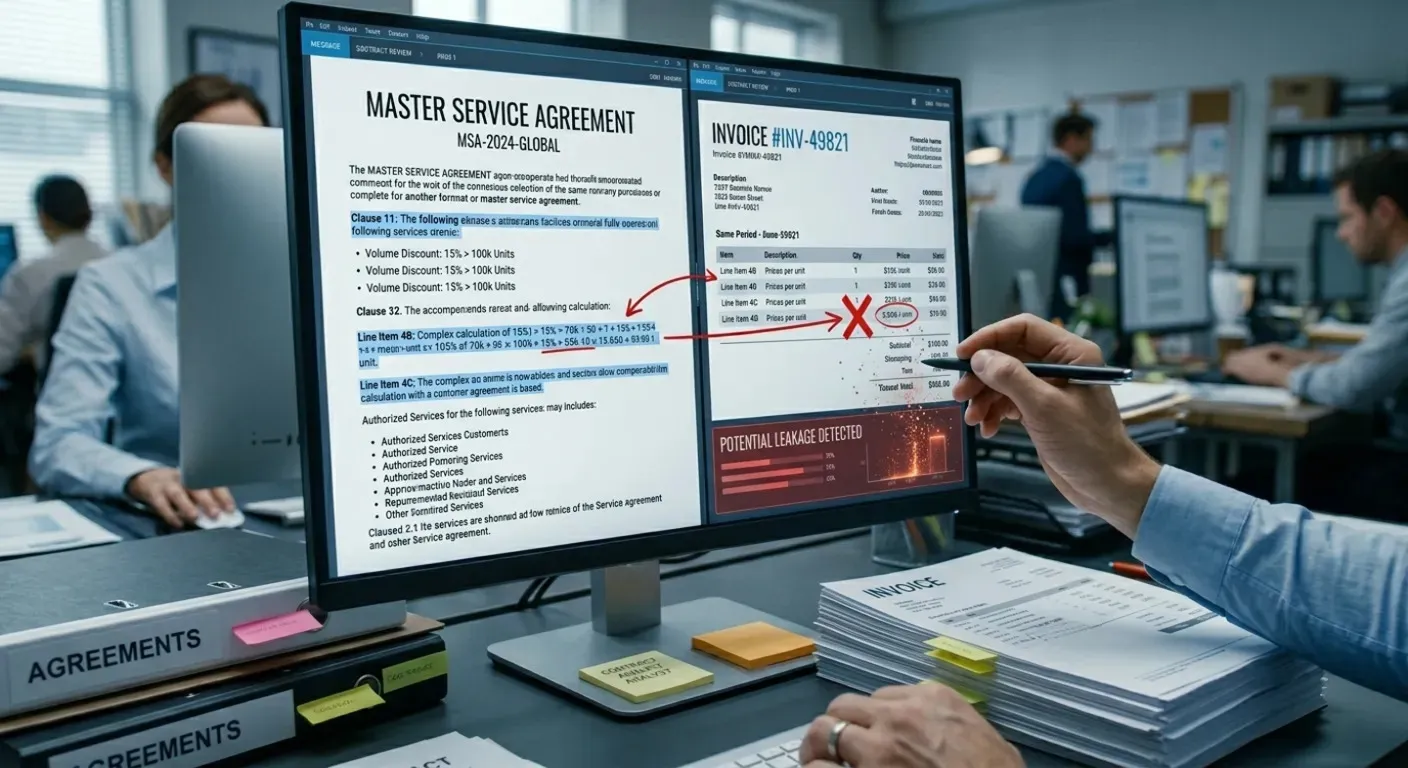
Revenue leakage is one of the most common margin problems inside growing companies, and also one of the least visible.
Most companies do not lose revenue in one dramatic event. They lose it quietly. A pricing term is missed. An invoice goes out below contract rates. A surcharge never gets applied. A service credit is issued when it should not have been. A renewal clause gets ignored. A team keeps operating off an old agreement while finance assumes the contract is being enforced correctly.
That is revenue leakage.
At a practical level, revenue leakage is the gap between what a company should collect and what it actually collects because execution breaks down somewhere between the contract, the operation, and the invoice.
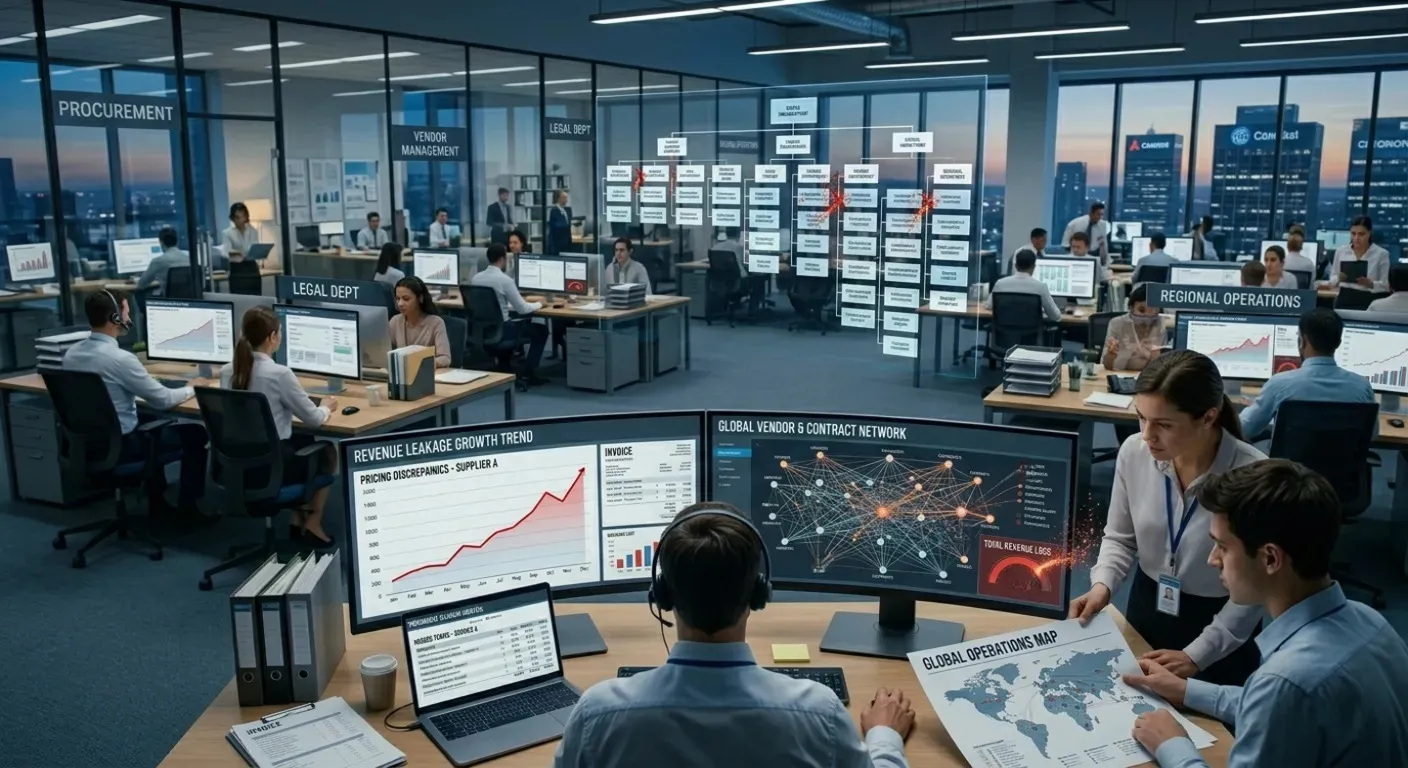
For CFOs and COOs, this matters for one simple reason: revenue leakage usually does not show up as a single line item. It hides inside operations. It sits across teams. It gets normalized. And by the time leadership notices it, the damage has often compounded for months.
Research from World Commerce & Contracting has repeatedly found that poor contract management costs businesses close to 9% of value annually, and other industry sources continue to cite that same range today.
Revenue leakage is the gap between what you should earn and what you actually collect
The statistic gets attention, but the real issue is not the number itself. The real issue is how ordinary the problem is.
In most organizations, revenue leakage is not caused by fraud or incompetence. It is caused by complexity.
A company grows. More customers come in. More vendors are added. More special terms are negotiated. More exceptions get approved. More contract versions circulate across email, shared drives, PDFs, and internal systems. Eventually, the commercial reality of the business becomes too complex for manual oversight alone.
At that point, even strong teams start missing things.
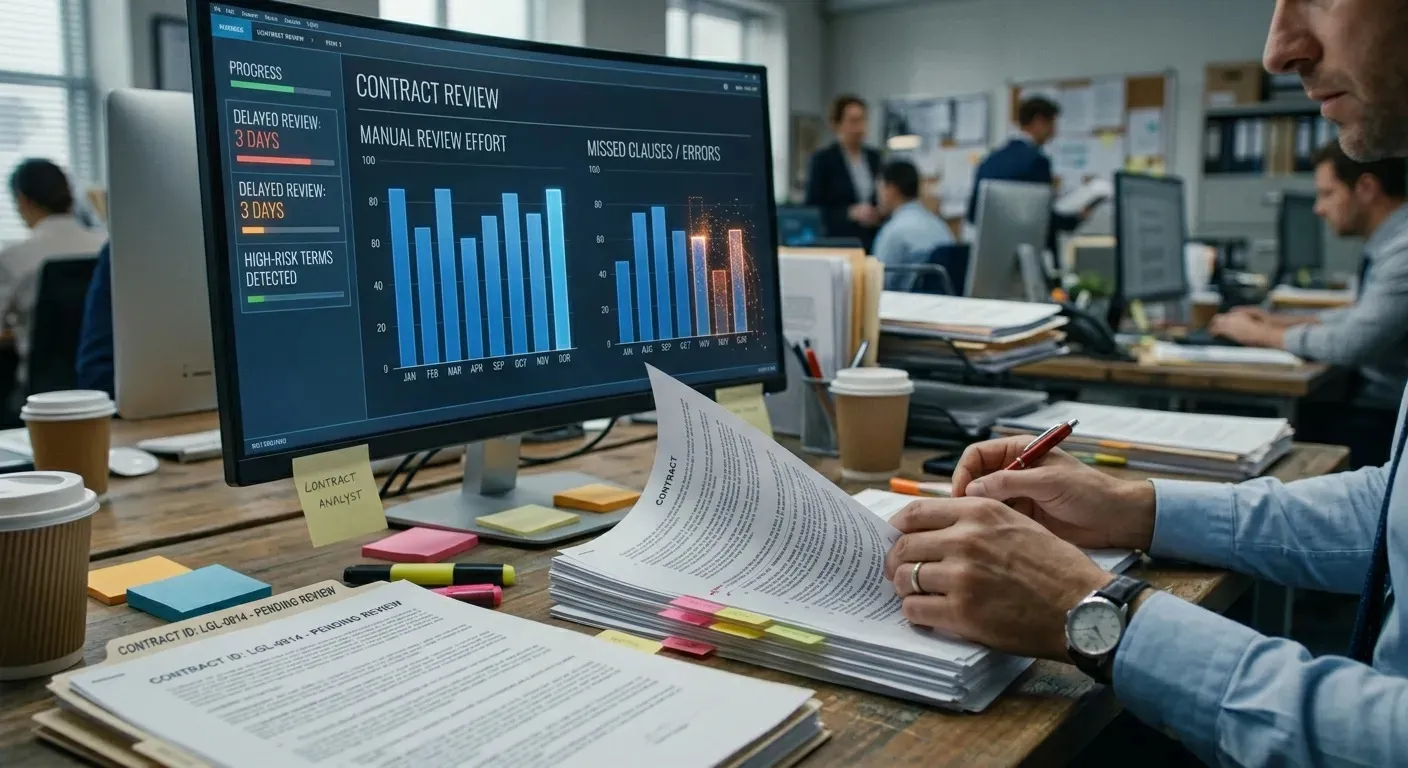
A contract analyst reviews a sample of invoices, but not all of them. An operations manager catches service issues, but not always the pricing implications. Finance bills based on what it received, not always on what the contract actually says. Legal negotiated the agreement, but legal is not reviewing thousands of downstream transactions every month.
Everybody is doing part of the job. No one is continuously enforcing the full picture.
That is where revenue leakage starts.